

When a loved one begins experiencing memory changes, daily life can start to feel less predictable. Tasks that once felt automatic may take more time or cause frustration, especially when each part of the day feels uncertain or out of sequence. That’s where memory care becomes so invaluable to families in need.
A consistent routine helps bring structure back into those moments. With the right daily rhythm in place, your loved one can move through each part of the day with more confidence, comfort, and clarity. In memory care, this structure is thoughtfully designed to support cognitive function while creating a more reassuring and familiar environment.
Key Takeaways
- Consistent routines help reduce confusion and make daily life more predictable for memory care residents
- Familiar patterns can support emotional stability and reduce anxiety or agitation
- Structured mornings help set a calm, manageable tone for the rest of the day
- Afternoon activities encourage social connection and cognitive engagement
- Evening routines promote relaxation, better sleep, and smoother transitions
- Personalized support and structured environments help residents feel safe and independent
Why Routine Matters in Memory Care
A steady daily routine gives your loved one something to rely on. When activities happen at familiar times and follow a predictable flow, it reduces the need to make constant decisions, which can be mentally exhausting.
Over time, this consistency can also support emotional balance. Familiar patterns create a sense of comfort, helping reduce anxiety and agitation while encouraging engagement in daily activities. Just as importantly, repetition can help reinforce existing abilities, allowing your loved one to stay connected to routines that feel natural and reassuring.
What a Healthy Memory Care Routine Looks Like
A well-structured day in memory care is designed to feel natural, not rigid. Each part of the day builds on the next, creating a steady rhythm that supports both independence and engagement.
Morning Activities That Set the Tone
Mornings provide an important opportunity to establish familiarity and ease. Starting the day with consistent habits helps your loved one feel grounded and ready to move forward.
A typical morning routine may include:
- Waking at a consistent time each day
- Gentle assistance with personal care and grooming
- A familiar breakfast in a calm, social setting
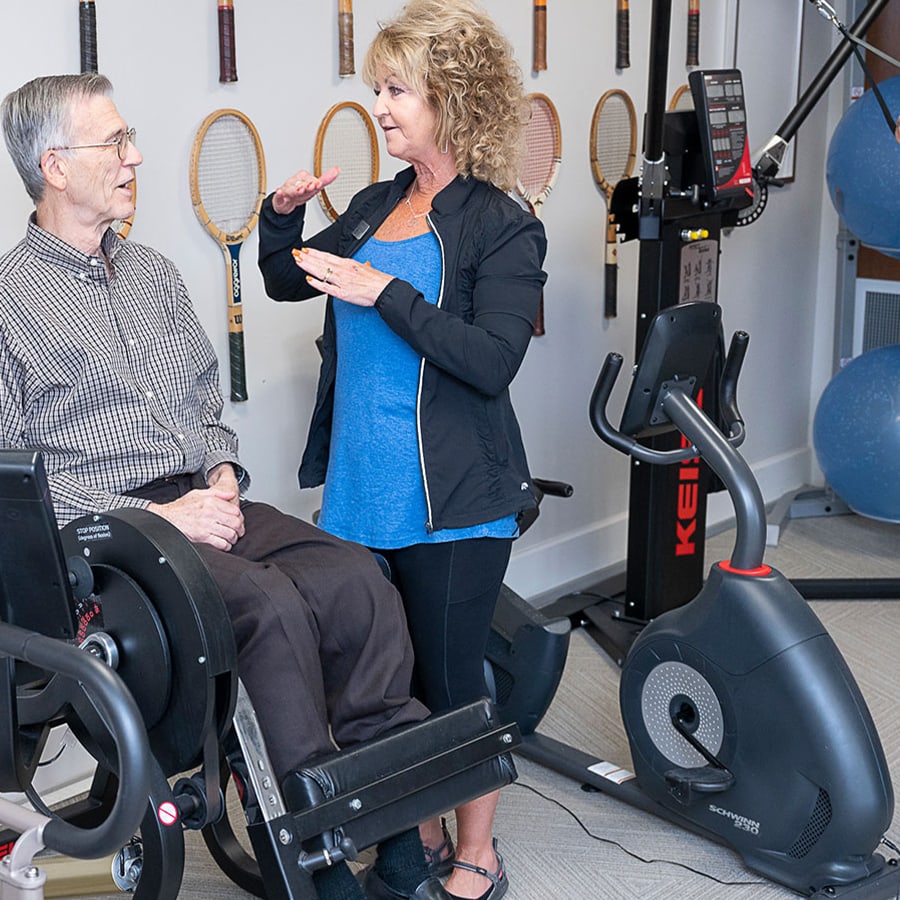
- Light physical activity, such as stretching or a short walk
- Quiet moments like reading, listening to music, or enjoying coffee
When mornings begin in a predictable way, the rest of the day often feels more manageable and less overwhelming.
Afternoon Engagement and Activity
Afternoons are a natural time for activity and social connection. Structured engagement during this part of the day helps maintain focus while offering opportunities for enjoyment.
During the afternoon, routines often include:
- Shared meals that encourage conversation and connection
- Creative activities like art, music, or crafts
- Group programs designed around residents’ interests
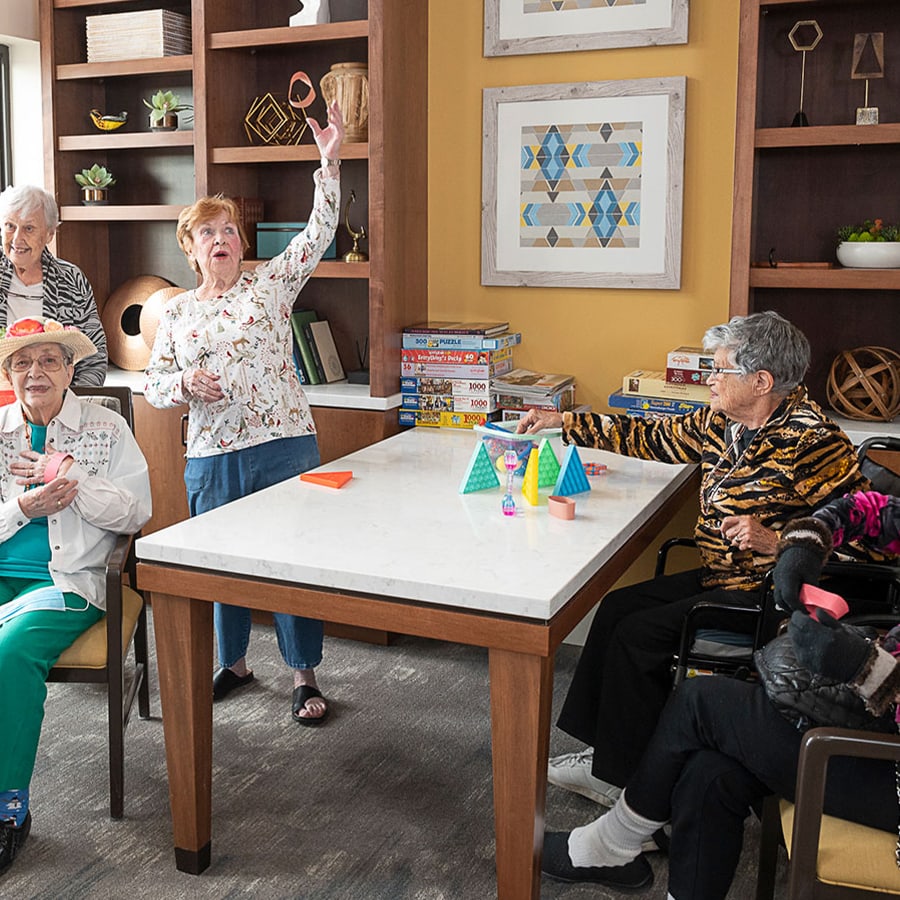
- Gentle games or puzzles that support cognitive engagement
- Time outdoors or in common areas for a change of scenery
Balancing activity with flexibility helps keep your loved one engaged without creating unnecessary pressure.
Evening Routines That Encourage Rest
As the day winds down, routines shift toward calm and relaxation. A consistent evening pattern helps signal that it’s time to rest, which can improve sleep and reduce late-day confusion.
Evening routines may include:
- A consistent dinner time in a relaxed environment
- Quiet activities such as watching a familiar show or listening to music
- Personal care routines that prepare for bedtime
- Soft lighting and a calm atmosphere throughout the community
- A regular bedtime that supports healthy sleep patterns
Ending the day with familiar, calming habits helps create a smoother transition into rest.

How Memory Care Helps Residents Every Day
Memory care communities provide more than just structure—they offer steady, thoughtful support throughout each part of the day. With trained teams and carefully planned routines, residents receive guidance that adapts to their needs while maintaining a sense of independence. This balance allows each day to feel both supported and familiar.
Tailored Cognitive Support
Activities are designed to match each resident’s abilities, helping them stay engaged without feeling overwhelmed. This personalized approach supports memory retention while encouraging confidence in daily tasks.
Consistent Daily Assistance
From personal care to mealtimes, support is available in a way that feels natural and respectful. Consistency in how assistance is provided helps build trust and reduces uncertainty.
Meaningful Social Engagement
Residents have regular opportunities to connect with others through shared activities and experiences. These interactions help reduce isolation while encouraging a sense of belonging.
Safe, Structured Environment
Spaces are designed to be easy to navigate, reducing confusion and promoting independence. A familiar environment, combined with consistent routines, creates a setting where residents can feel more at ease.
Come Discover the Benefits of Memory Care
A thoughtful daily routine can make a meaningful difference in how your loved one experiences each day. With the right balance of structure and flexibility, memory care helps create a sense of comfort while supporting cognitive and emotional well-being. Over time, these consistent patterns can help reduce uncertainty and encourage greater engagement in everyday life.
At Carillon at Belleview Station, our Touchpoints approach to memory care is built around understanding each resident as an individual. Through structured routines, personalized support, and a compassionate team, we create an environment where your loved one can feel safe, supported, and connected. Schedule a tour with us today to learn more about memory care!