
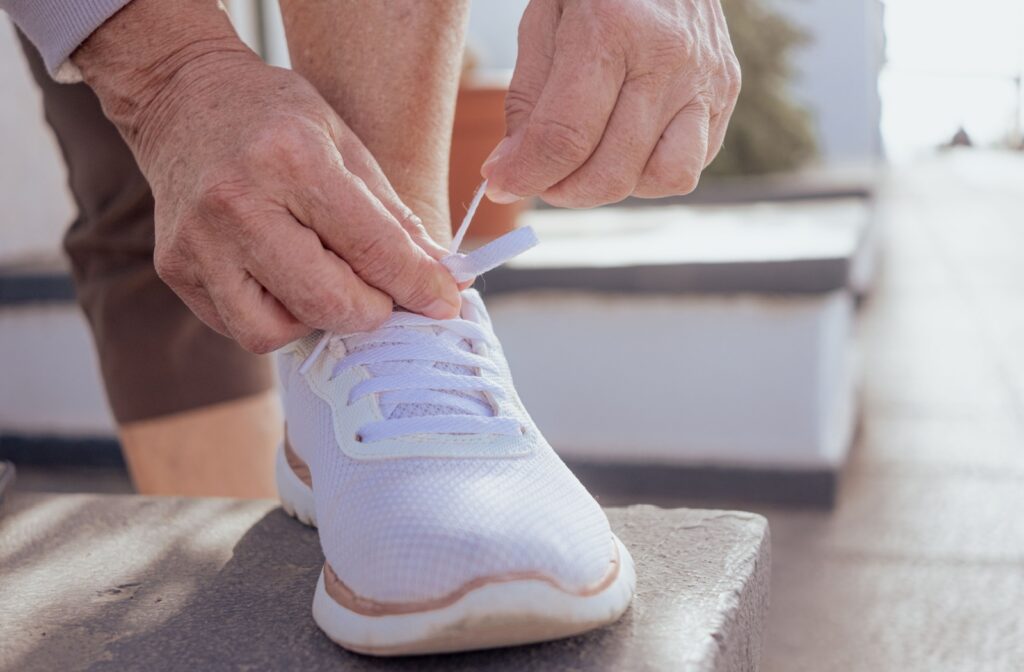
The Best Walking Shoes for Older Adults
Key Takeaways
- Proper walking shoes reduce fall risk and support better balance.
- Look for non-slip soles, arch support, and cushioned heels in any walking shoe.
- Your foot size and shape may change over time, so get properly fitted.
- Different activities and foot conditions require different shoe features.
- Break in new shoes gradually to avoid discomfort.
Walking Shoes for Seniors
Your feet have carried you through decades of life, and choosing the right walking shoes can make all the difference in staying active and comfortable. Whether you’re taking daily strolls around the neighborhood or participating in walking programs, the right footwear supports your balance, reduces fall risk, and keeps you moving forward.
Good walking shoes need proper arch support, non-slip soles, cushioned heels, and a comfortable fit that accommodates any foot changes that come with age. With so many options available, you can find shoes that match your specific needs and help you maintain an active lifestyle. At Carillon at Belleview Station, residents discover that the right footwear supports their participation in our wellness programs and activities.
Why the Right Walking Shoes Matter for Your Health and Safety
Proper footwear supports your whole body by keeping your weight evenly distributed and your alignment steady. Comfortable, well-fitting shoes make walking safer and more enjoyable, encouraging you to stay active and support your overall health. As feet widen, flatten, or develop conditions with age, the right shoes help you stay moving with comfort and confidence.
Key Features to Look for in Walking Shoes
Support and Stability
Arch support helps maintain your foot’s natural shape and reduces strain on your muscles and ligaments. If you have flat feet, you’ll need more structured arch support, while high arches benefit from cushioned support that fills the gap.
Your heel takes the first impact with each step, so look for shoes with thick, cushioned heel areas. This padding absorbs shock and reduces stress on your joints. A firm heel counter (the back part of the shoe) also helps keep your foot properly positioned.
A wide toe box gives your toes room to spread naturally as you walk. This prevents cramping, reduces pressure on bunions, and allows for better balance. Your toes shouldn’t feel squeezed or pressed against the front of the shoe.
Safety Features
Non-slip soles with good tread patterns help prevent falls on wet pavement, smooth floors, or uneven surfaces. Look for rubber soles with deep grooves or patterns that provide grip on various surfaces.
Lightweight shoes reduce fatigue during longer walks and make it easier to lift your feet properly with each step. Heavy shoes can cause you to shuffle or drag your feet, increasing your risk of tripping. Regular physical activity becomes more sustainable with comfortable, supportive shoes.
Easy closures, such as Velcro straps or slip-on designs, can help if you have hand arthritis or difficulty bending down. These features make it simple to put on and take off your shoes independently.
Top Walking Shoe Options for Different Needs

For Daily Walks and Exercise
Athletic walking shoes with thick midsole cushioning work well for regular exercise and longer walks. These shoes absorb impact and provide energy return with each step.
Breathable mesh or fabric uppers keep your feet cool and dry during activity. Good airflow prevents hot spots and reduces the risk of blisters, especially during warmer weather. Flexible soles bend naturally with your foot’s movement, making walking feel more comfortable and efficient. Test this by holding the shoe at both ends and seeing how easily the sole flexes.
For Balance and Stability Concerns
Shoes with wider bases provide a larger surface area for support and can help you feel more stable while walking. These designs often have extended heel and toe areas.
Low-profile shoes with minimal heel-to-toe drop keep you closer to the ground and reduce the chance of catching your toe on uneven surfaces. Avoid high heels or thick platform soles. Special grip patterns on the outsole can provide extra traction on various surfaces. Some shoes feature different tread patterns on the heel and forefoot to optimize grip during different phases of your step.
For Foot Conditions
Extra-wide shoes accommodate swelling, bunions, or other foot conditions that require more room. These come in various widths beyond the standard medium width. Diabetic-friendly shoes feature seamless interiors to prevent pressure points and are made from soft materials that won’t cause irritation. They often have extra depth to accommodate custom insoles.
Removable insoles allow you to insert custom orthotics prescribed by your doctor or podiatrist. Make sure the shoe has enough depth to accommodate both the orthotic and your foot comfortably.
How to Choose the Right Size and Fit
Shop for shoes in the afternoon or evening when your feet are naturally slightly swollen from daily activity. This gives you a more accurate fit for how your feet will feel during regular wear.
Your shoe size may have changed since you last bought shoes. Feet can become longer, wider, or both over time. Always measure both feet, as one foot is often slightly larger than the other.
Try on shoes while wearing the type of socks you plan to wear with them. Walk around the store for several minutes to get a feel for how the shoes support your gait and whether any areas rub or pinch.
A proper fit should have about a thumb’s width of space between your longest toe and the front of the shoe. The shoe should fit snugly around your heel and midfoot without being tight, and the widest part of your foot should align with the shoe’s widest point.
Take Your Next Steps Toward Better Health and Mobility
Many senior living communities recognize the importance of staying active and offer walking programs, fitness centers, and wellness activities. At Carillon at Belleview Station, residents enjoy resort-style wellness options and beautiful outdoor spaces designed to encourage an active lifestyle.
If you’re considering senior living options that support your commitment to health and mobility, schedule a tour of Carillon at Belleview Station to see how the right community can complement your active lifestyle.